ServicesRoof Treatments
Roof Moss and Algae Treatment in Glens Falls
Dark streaks and moss patches are not just a looks problem. They keep your shingles damp and wear them out ahead of schedule. Our low-pressure treatment kills the growth down to the root, and rain and snow wash it off over time. No scrubbing, no blasting.
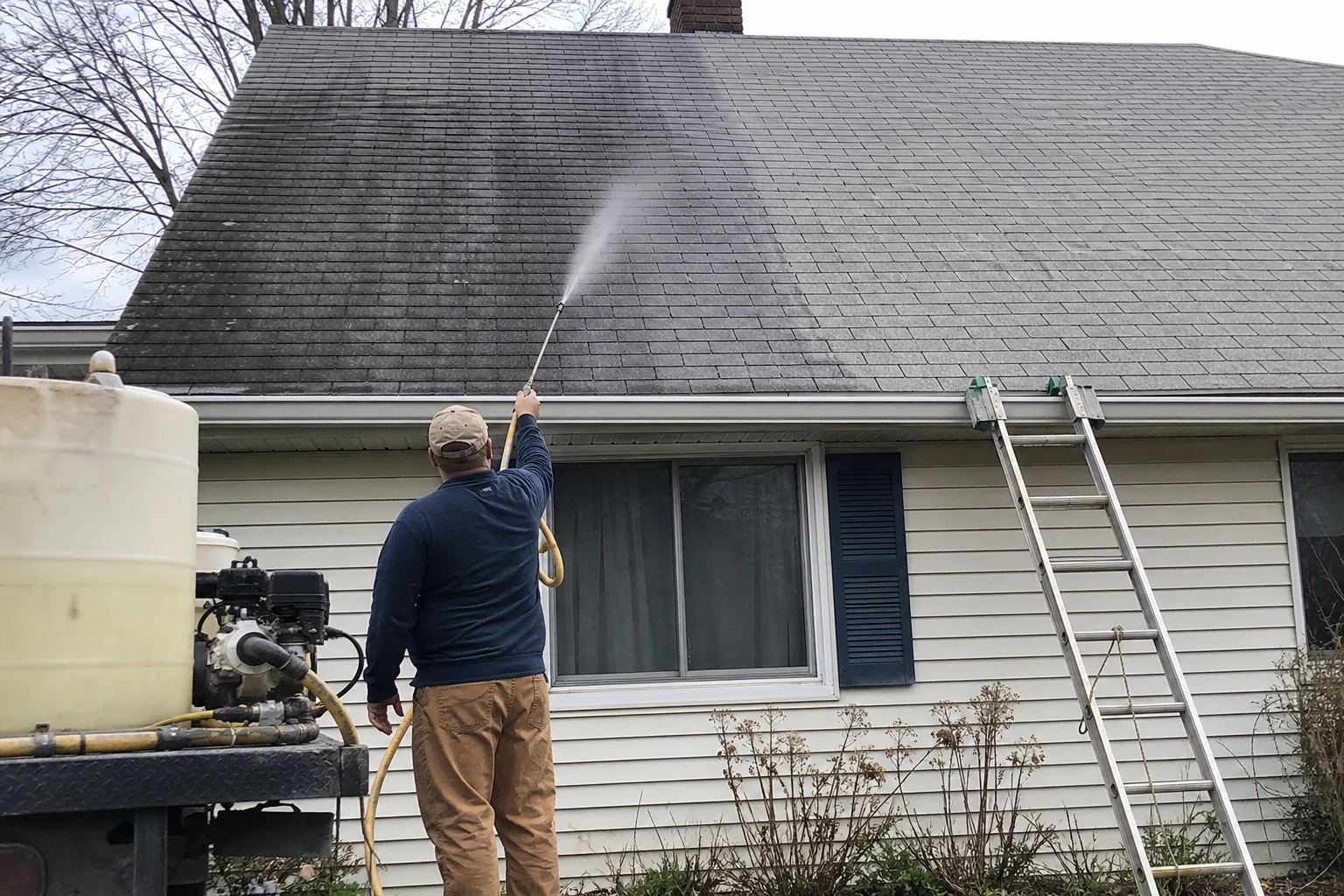
What a roof treatment does for your home
Most dark streaks on a roof are algae. Moss and lichen show up as green or gray patches, often on the shady side. All of it feeds on the shingle surface and keeps that surface damp longer after rain or snowmelt.
A roof treatment is a liquid we spray on at low pressure. It soaks into the growth and kills it. Over the following weeks, rain carries the dead material off. Nobody scrubs your shingles or hits them with a high-pressure wand, which can strip the granules that protect them.
There is a comfort side too. Lighter shingles are built to reflect some sun. When they are covered in dark growth, they soak up more heat, and an attic under a streaked roof can run warmer in July. Clearing the growth lets the roof work the way it was made to.
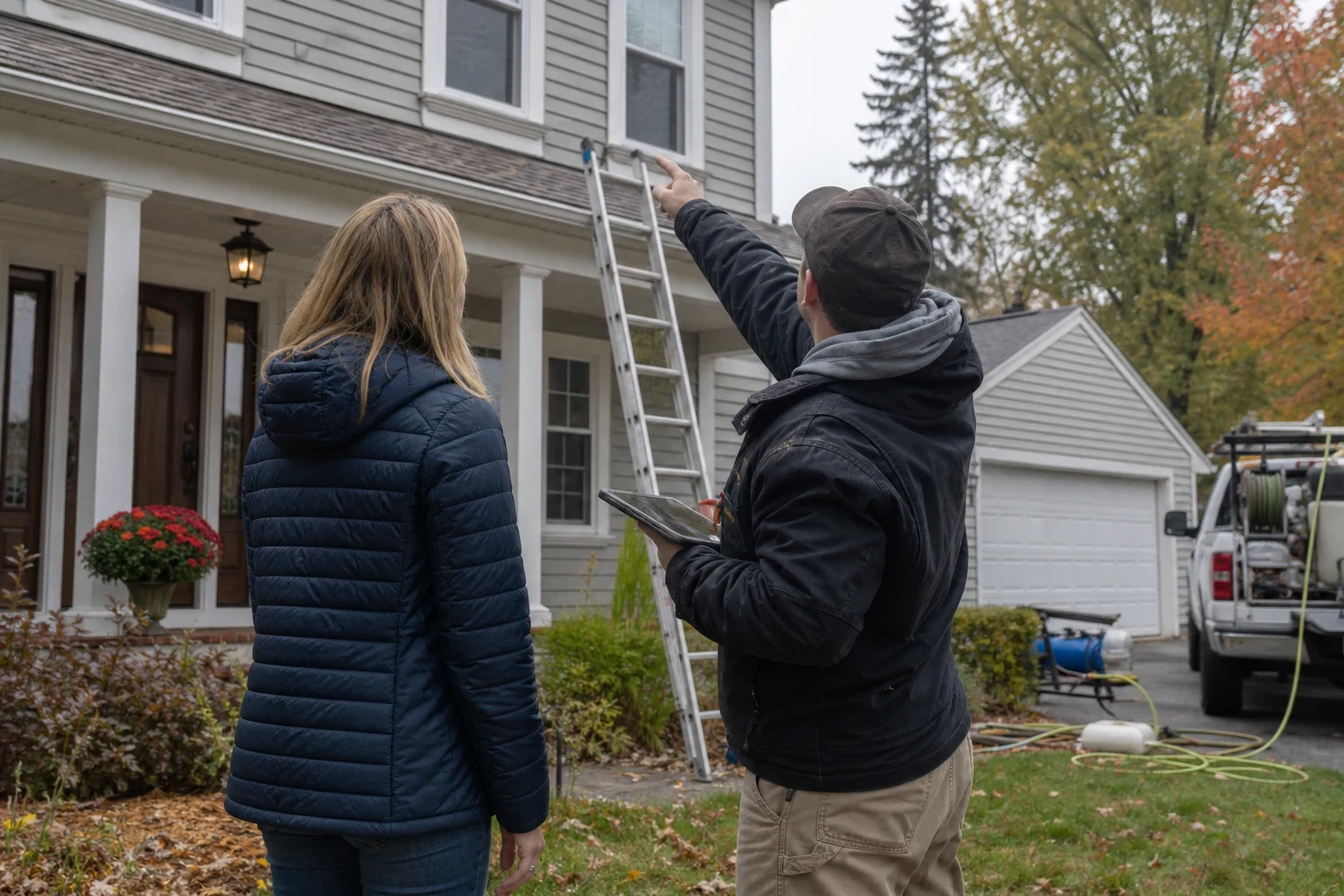
What's included in every roof treatment
- 01
Roof check before any price
Before we put a number on anything, we get eyes on the shingles, the flashing and what kind of growth is up there. If something needs a roofer instead of us, we photograph it and point it out to you.
- 02
Protecting plants and siding
We wet down and cover shrubs and flower beds below the drip line. We rinse nearby siding and walkways when we finish.
- 03
Low-pressure application
The treatment goes on with a gentle spray, not a pressure washer. Your shingles keep their granules and their life.
- 04
Attention to heavy moss
Thick moss mats near valleys and under trees get extra coverage. We loosen the worst clumps by hand where it is safe to do so.
- 05
Runoff paths kept open
We make sure runoff can drain and nothing we loosen sits in the downspouts on the day of the job.
Questions about Roof Treatments?
Call(518) 608-3991Signs your roof needs a treatment
Black or dark streaks
Streaks running down from the ridge are almost always algae. They spread a little more each year.
Green moss in patches
Moss lifts shingle edges as it grows. That lets water and ice work underneath.
Gray or crusty spots
That is lichen. It grips the surface hard and is the slowest growth to go, so it pays to treat it early.
One side that stays wet
If the north or shaded side is still damp hours after the rest has dried, growth is likely holding that moisture.
A warmer attic than it used to be
A roof that has gone dark with growth can add heat upstairs in summer. It is worth a look if the rooms under the roof feel stuffy.
How the job day goes
- 1
Quote by phone and a site visit
You call, we set a time to see the roof, and you get a free quote with what we plan to do written out.
- 2
Set up and protect
We park out of your way, cover plants and wet down the ground around the house. Ladders go up with standoffs so gutters do not get bent.
- 3
Apply the treatment
We spray the roof section by section at low pressure, working top to bottom. Most homes take part of a day.
- 4
Rinse and walk the property
We rinse plants, siding and walkways and pick up anything that came down. Then we walk the yard with you if you are home.
- 5
Let the weather finish
Dead growth fades and washes off with rain, usually over several weeks. Lichen can take longer. Snow and spring melt in the Glens Falls area help carry it off.
What changes the cost of treating a roof
No two roofs are alike, so we look before we quote. After the visit we call you with a free price. You hear it before any work begins, and it stays the same on job day.
- How big the roof is
- A larger roof takes more treatment and more hours up top.
- Slope and number of stories
- Steep pitches and two-story roofs call for extra safety gear and a slower pace than a low ranch.
- Amount of growth
- A few light streaks take a single pass. Heavy moss and lichen need thicker coverage plus some work by hand.
- Trees and shade
- Shaded roofs under large trees grow more, and branches and valleys often take extra care.
Roof treatment questions
Do you spray my roof with high pressure?
No. High pressure can knock the granules off asphalt shingles and shorten their life. We use a low-pressure spray and let the treatment and the weather do the work.
How long until the streaks are gone?
Algae usually starts to fade within a few weeks as rain rinses it. Moss turns brown and lets go over a similar stretch. Lichen is stubborn and can take a few months to fully clear.
Will it hurt my plants or lawn?
We take care to keep it off them. We soak and cover plants before we spray and rinse them again after. If you have a garden you are especially careful about, tell us and we will plan around it.
Who is responsible if something goes wrong up on my roof?
We are. Our company is licensed and insured, so the ladders, the crew and the work on your roof are covered by us, not you. We have been in business 5 years, working on home exteriors across Glens Falls, Queensbury and nearby towns.
Should I treat the roof before getting roofline lighting?
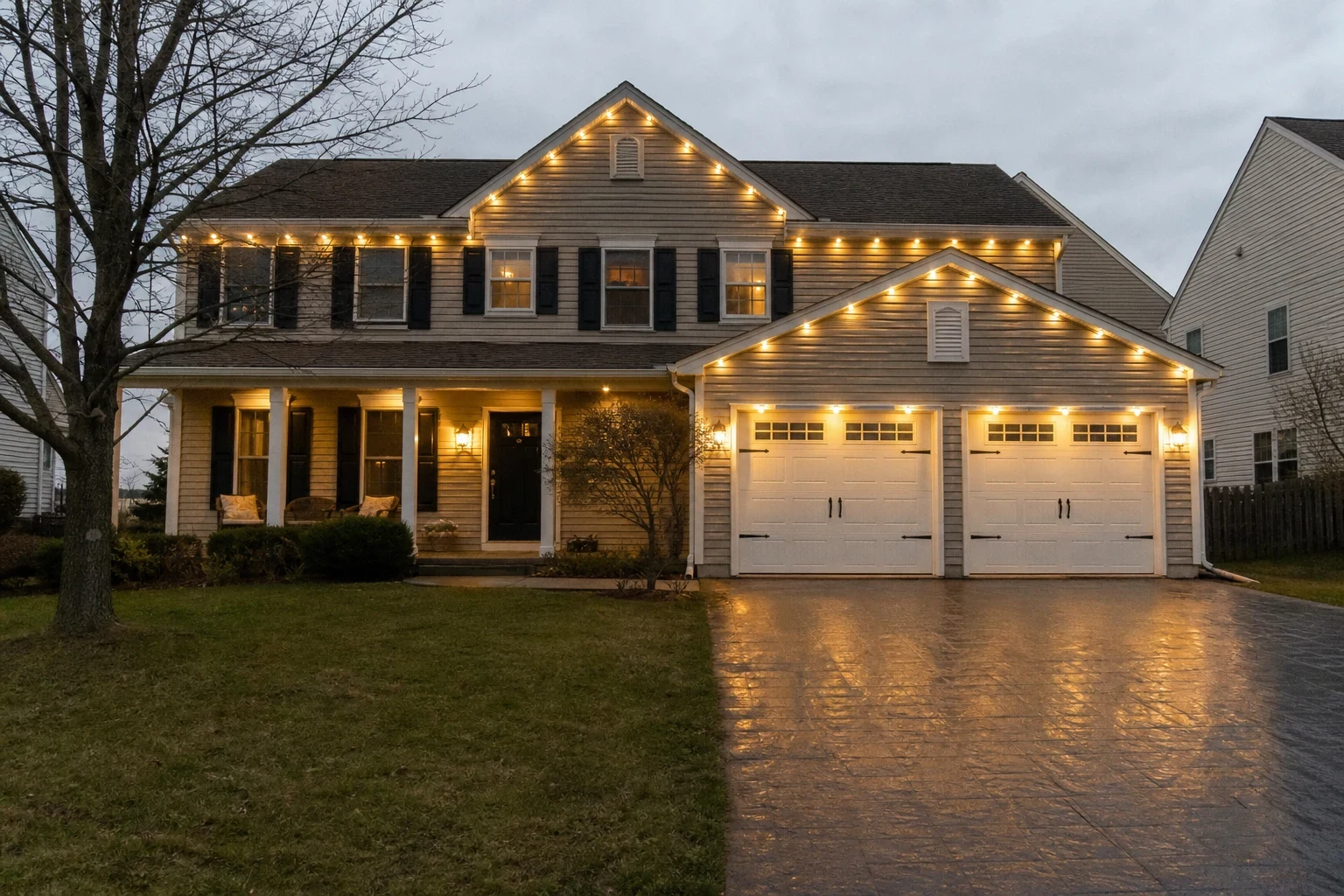
It is a good order to do things in. A clean, dry roofline makes a better base for permanent lighting, and you will not have streaks showing behind the lights at night. We can talk about both on the same visit.
When is the best time of year?
Spring through fall works best, when it is above freezing and the roof is dry enough to work on safely. We schedule around rain so the treatment has time to soak in first.
Clear the moss and streaks from your shingles
Let us know what you see on your roof. We will stop by, tell you what is growing there and quote a plain price.